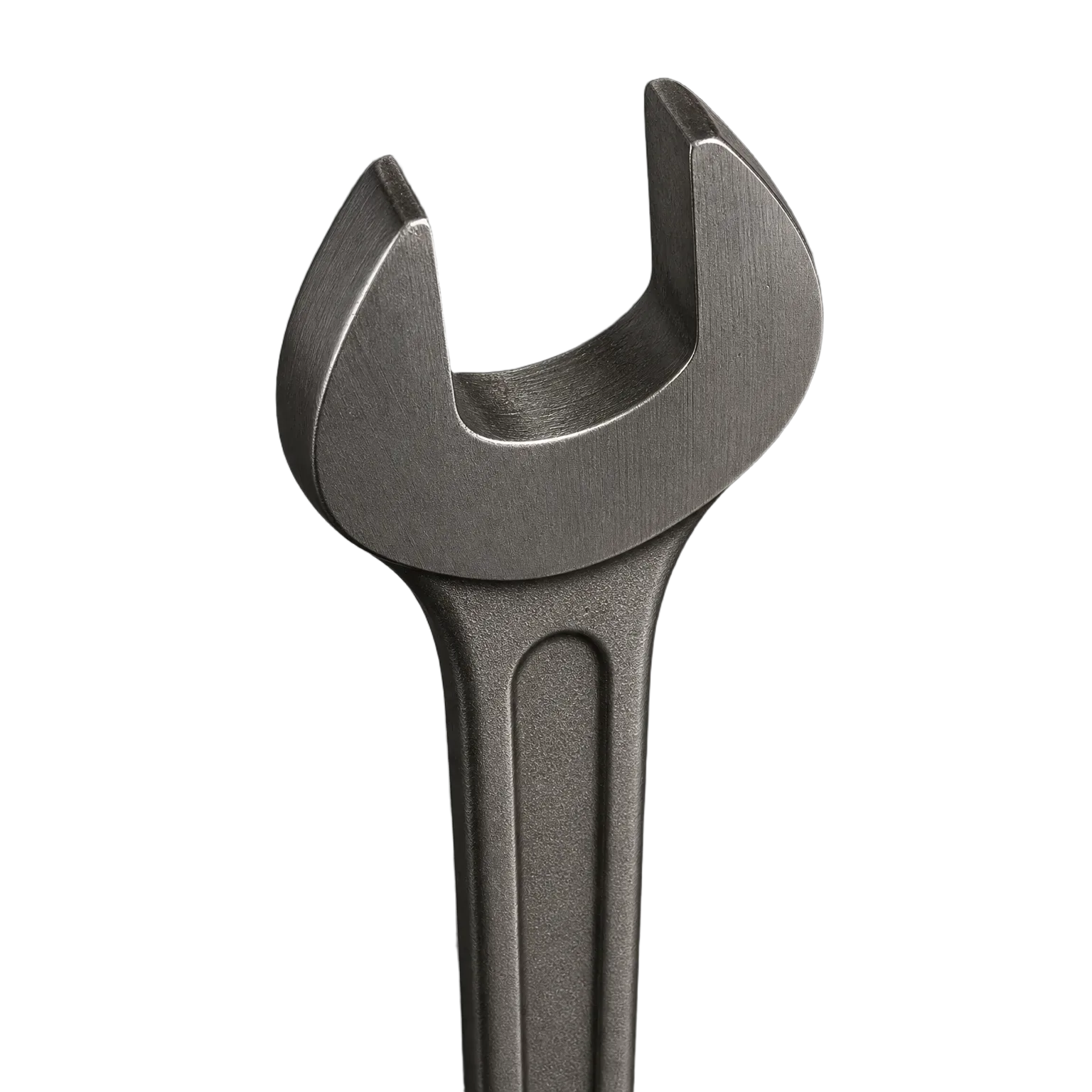
What you'll pay for an AC blower motor replacement
Blower motor replacement costs vary based on the motor type, how accessible the blower compartment is, and whether your system takes a common or hard-to-find part. A variable-speed motor costs more than a basic single-speed unit, and a cabinet that requires significant disassembly adds labor time on top of the part price.
What affects the cost of a blower motor replacement?
The motor itself is the first split in the price.
A basic permanent split capacitor motor costs less than a variable-speed motor, which runs at multiple speeds to manage airflow and humidity more precisely. Labor pulls the price in its own direction: some units give a technician easy access to the blower compartment, while others require disassembling significant portions of the air handler. That work takes time, and time costs money regardless of the part. Older units and less common brands add another layer because replacement motors are harder to source, and harder to source means higher prices when they are found. A newer system from a widely distributed manufacturer will almost always have cheaper, faster parts. The number you find quoted online reflects some average job on some average system, which may share very little with yours.
How do you know it's the blower motor?
A unit that runs but moves no air, or one that hums and never starts, points at several things at once.
A bad capacitor can prevent the motor from spinning up. A failing control board can cut the signal before the motor ever gets a command. A seized shaft looks identical to a dead motor from the outside. An airflow restriction starves the system so badly that output drops to almost nothing. Sorting through those possibilities requires a multimeter, a wiring diagram, and hands inside a cabinet that carries live voltage. Calling the problem a blower motor replacement before a technician has tested and confirmed it is a guess, not a diagnosis. A contractor will start with electrical readings, rule out the cheaper failures first, and only then name the part that actually needs to go.
Get a local contractor's quote
Fill out the form and a licensed contractor in your area will reach out with pricing for your specific situation.
Tell us about the job
Takes about a minute. No obligation.