
What Rhode Island homes are up against.
NOAA National Centers for Environmental Information, Storm Events Database, bulk CSV export, events 2015-01-01 through 2024-12-31. · U.S. Census Bureau, 2020-2024 American Community Survey 5-Year Estimates

What a contractor has to figure out before quoting a job is how hard the equipment at that address will actually have to work, and a statewide number answers a different question than that one. 661 severe weather events were recorded in Rhode Island between 2015 and 2024. That count describes the weather Rhode Island sets as a condition, and every system in the state is running somewhere inside it. But running somewhere inside it is not the same as running at the same rate in every part of it. Local exposure, building stock, and how a structure holds up under load all shift what a system is asked to do, and a single statewide total carries none of that detail. A contractor who knows the address can read what the equipment there has actually been up against.
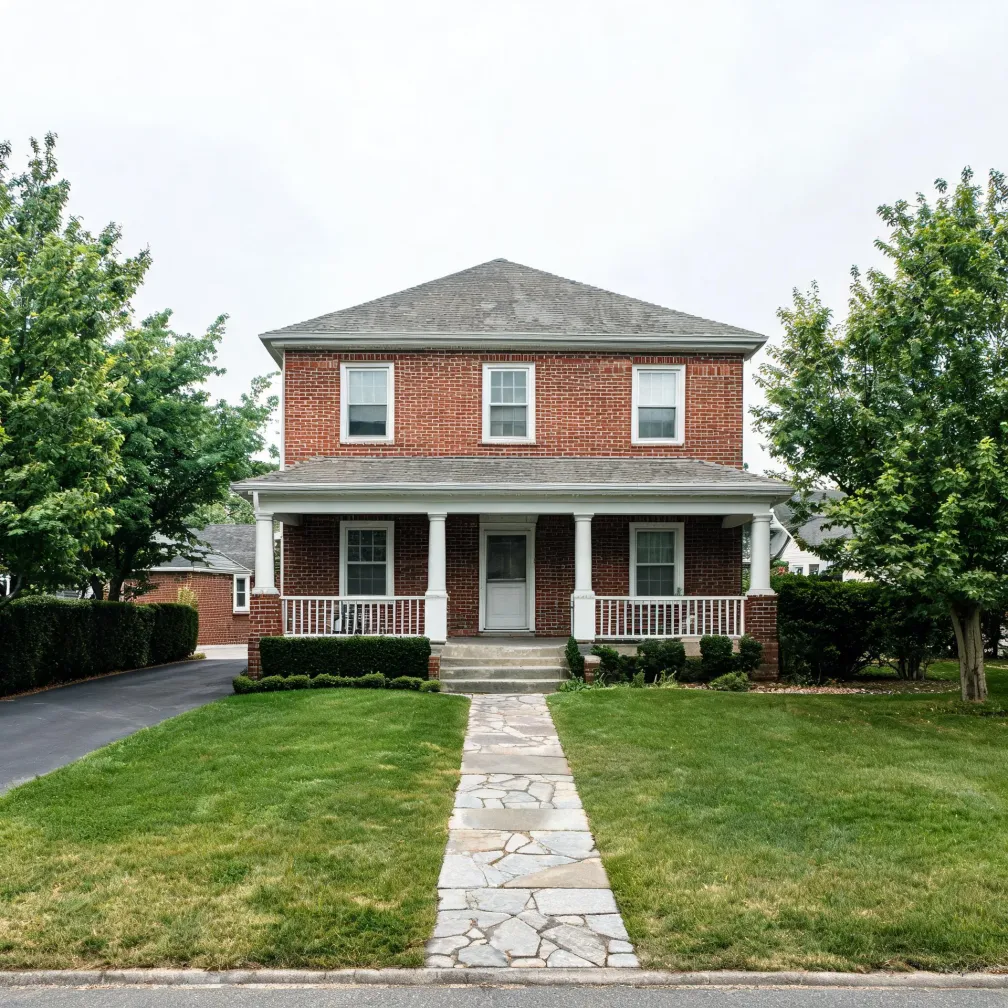
What a contractor finds behind the walls varies enough that nothing about an existing system can be assumed to carry over. Half the homes in Rhode Island were built in 1962 or earlier (2020-2024 ACS 5-year). A house built before current electrical standards were set often has service that has been added to over the decades in ways that affect what a new system can draw on. Ducts, if they exist at all, were sized for equipment that ran on different specifications. The contractor measures what is there before specifying anything.
Does where you live in Rhode Island put harder demands on your HVAC?
2015–2024 · Source: NOAA National Centers for Environmental Information, Storm Events Database.
A condenser unit sitting outside in Rhode Island faces whatever the season delivers: driving rain, heavy snow loads, ice accumulation, high summer heat, and wind that works its way into cabinet seams and coil fins over years. Equipment sized or positioned without accounting for that exposure gets asked to do more than it was set up for. The contractor you are matched with knows how those conditions bear on sizing, placement, and what to spec before the install.
Rhode Island HVAC Installation and Repair License Requirements
Rhode Island sets its own rules for who may legally perform HVAC installation and repair work in the state. The provisions below are quoted from the source, not paraphrased.
A Rhode Island master licensee needs no separate sheet metal licence while the air handling equipment is ten (10) tons or less, or the heating equipment does not exceed 250,000 BTUs; above either figure the sheet metal work must be subcontracted to a licensed sheet metal contractor.
A state license requirement for this trade means only a contractor who holds that credential is authorized to do the work on your home. That applies whether you need a new system installed or an existing one repaired. Every contractor this site routes your request to holds the license Rhode Island requires, and that is the condition a request meets before it moves forward.
View the source provisions2 provisions
A Rhode Island master licensee needs no separate sheet metal licence while the air handling equipment is ten (10) tons or less, or the heating equipment does not exceed 250,000 BTUs; above either figure the sheet metal work must be subcontracted to a licensed sheet metal contractor.
Rhode Island requires a licence from the Department of Labor and Training to work in the mechanical trades: nobody may hold themselves out as a master, or advertise that they will install refrigeration and air conditioning or air distribution systems, without one.